CHALLENGE
Strengthen Cassina’s cultural authority by offering a deeper, more reflective take on contemporary design and its role in everyday life.
IDEA
The Cassina Perspective becomes a space for ideas, dialogue and thoughtful observation.
EXECUTION
An editorial and storytelling project built around interviews, reflections and curated content.
A refined visual language supports a calm, intelligent and culturally driven narrative.
A refined visual language supports a calm, intelligent and culturally driven narrative.



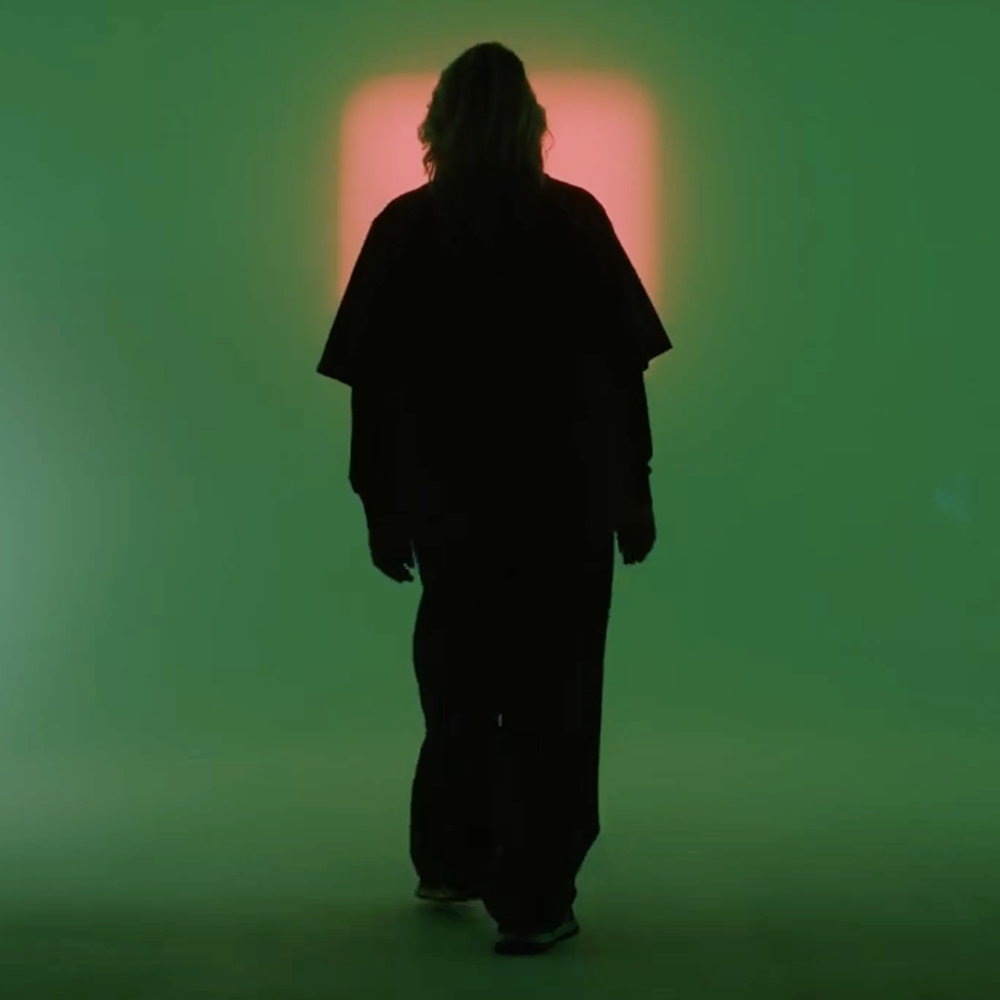

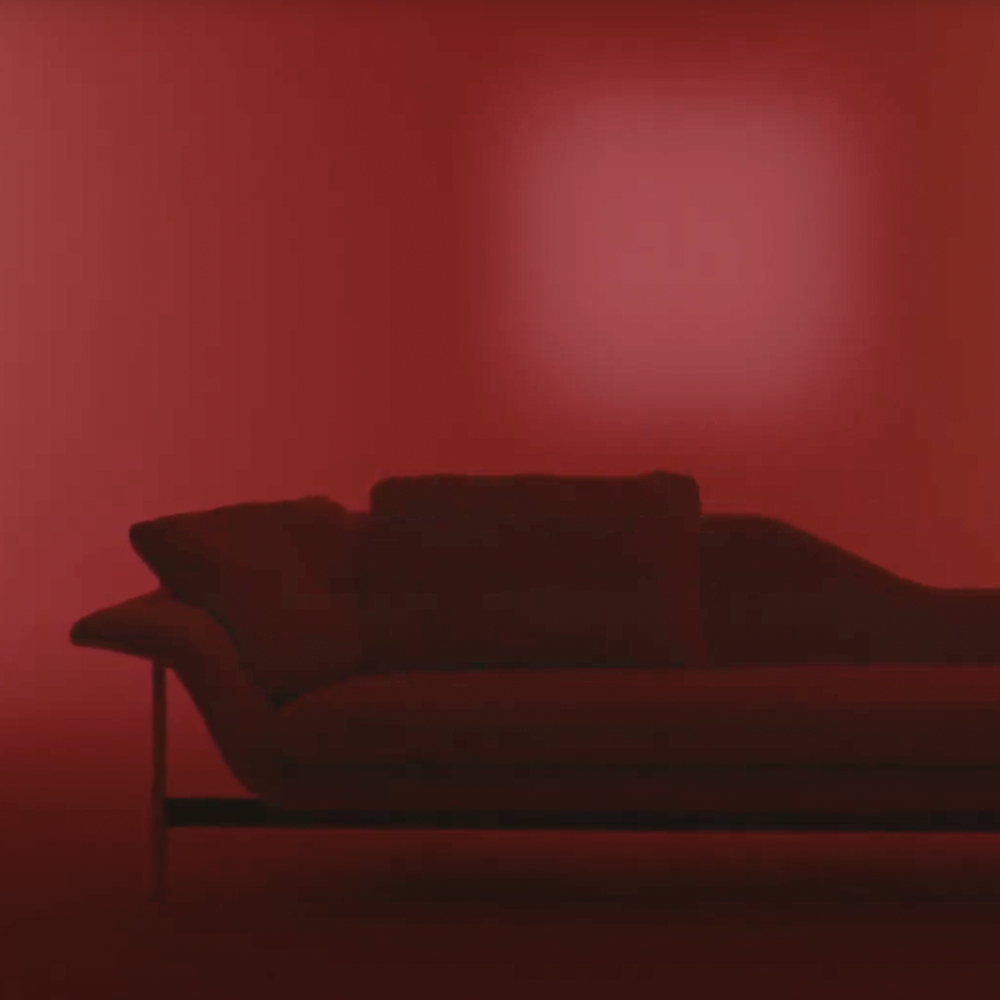

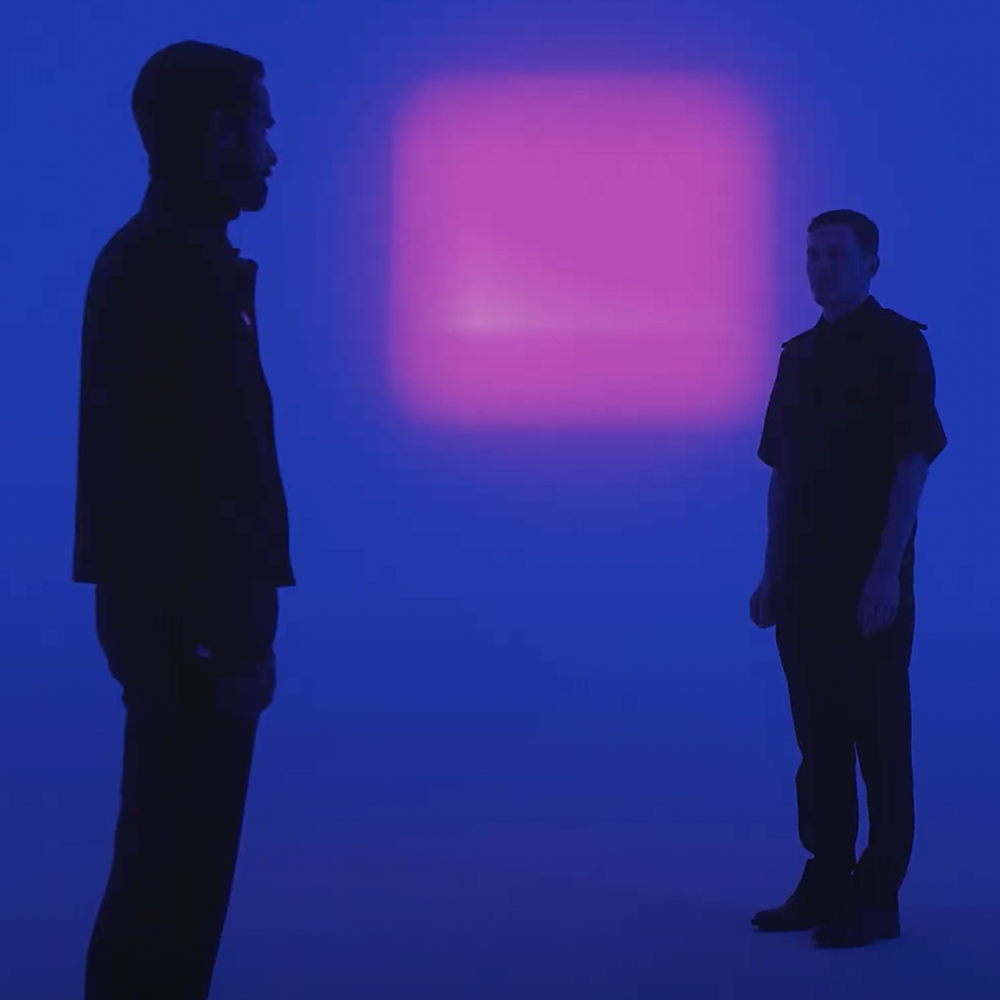
Formafantasma is a research-based design studio investigating the ecological, historical, political and social forces shaping the discipline of design today, applying a rigorous attention to context, processes and details. Their analytical nature translates into meticulous visual outcomes, just like their collection for Cassina.
Patricia Urquiola has been the Creative Director of Cassina since 2015. She starts each project by building an empathic connection with the user that will eventually interact with her designs, establishing the “fundamental element”, the basis of each project, which always keeps her on track and accompanies her whole design process: thinking spaces or objects in relation to people. She believes in an original design point of view merging humanistic, technological and social approaches. Her design thinking is the intersection of challenges and breaking prejudices, finding unexpected connections between the familiar and the unexplored.
Antonio Citterio is an Italian architect and designer. Some of his works are part of exhibitions at MoMA in New York and at the Georges Pompidou Centre in Paris. In 2021, with ACPV Antonio Citterio produced “The Importance of Being an Architect”, a documentary film conceived as a virtual dialogue and musical journey in four acts that investigates the responsibility of architects in building the society of tomorrow.
Born in 1954, Dordoni is a member of the Milanese tradition that generated great designers. Since 1979, he has designed for most of the leading names in the furniture and lighting sectors. For some of these, as head of design, he sets and coordinates the strategy of the product.
Linde Freya Tangelder strives for sensory relevance and cultural value in detail and on a larger scale. Her works have a sculptural and architectural character, and a balance between contemporary and traditional elements. Inspired by architectural shapes, the furniture pieces highlight the field between industry and humans, through diverse materials. Constructions are scaled down to human sizes, and translations result in sculptural gestures.
Patrick Jouin was born in Nantes in 1967, and received his diploma at Ensci-les Ateliers in 1992. He worked as a designer for the Wagons-Lits company and in 1993 began a short collaboration with a company producing television sets, under the artistic direction of Philippe Starck, in whose studio he went on to work until 1999. Jouin has produced designs under his own name since 1998; chairs, sofas, and beds, an automobile design, and stands for various motor shows, in collaboration with Imaad Rahmouni. Jouin designed the interiors and furnishings of restaurants in Paris and New York For Cassina, he designed a set of products (table, chairs, sofa, and accessories) that was shown at the Cologne Furniture Fair in 2003.
Gaetano Pesce is a contemporary Italian industrial designer and architect. Known for his imaginative use of shape and color, Pesce’s work is characterized by its individuality and the designer’s belief in Modernism as an interpretive method more so than a strict style. The designer’s works express his interest in eroding the boundaries between art, design, and industry. Born in 1939 in La Spezia, Italy, Pesce received his formal training at the University of Venice. His models and drawings are in the collections of The Museum of Modern Art and the Metropolitan Museum of Art in New York, the Victoria and Albert Museum in London, and the Centre Pompidou in Paris, among others. Pesce lives and works in New York.
Michael Anastassiades is a Cypriot-born, London-based designer whose practice encompasses product, spatial interventions and experimental works, often transcending the distinctions between different fields of creativity.
Anastassiades’ practice contemplates both industrial production and artisan techniques. In doing so, it expands into a vivid, nuanced balance between improvisation and structure, control and intuition. With a career spanning more than 20 years, Anastassiades has conceived lights, furniture and objects characterised by a poetic yet rigorous interpretation of technology, materials and functions. His work draws inspiration from many sources, which he distils into pure, simple structures. From nature to archaic references of his native Cyprus, the history of Modernism, very personal memories, art and everyday life, he transforms a rich set of diverse references into a timeless vocabulary of form and structure.
Anastassiades’ practice contemplates both industrial production and artisan techniques. In doing so, it expands into a vivid, nuanced balance between improvisation and structure, control and intuition. With a career spanning more than 20 years, Anastassiades has conceived lights, furniture and objects characterised by a poetic yet rigorous interpretation of technology, materials and functions. His work draws inspiration from many sources, which he distils into pure, simple structures. From nature to archaic references of his native Cyprus, the history of Modernism, very personal memories, art and everyday life, he transforms a rich set of diverse references into a timeless vocabulary of form and structure.